What are some problems related to menstruation?

Rachel Newton
Updated on June 07, 2026
- Problems with ovulation. In a normal menstrual cycle, your uterine lining builds up and thickens to prepare for pregnancy.
- Problems with the uterine lining.
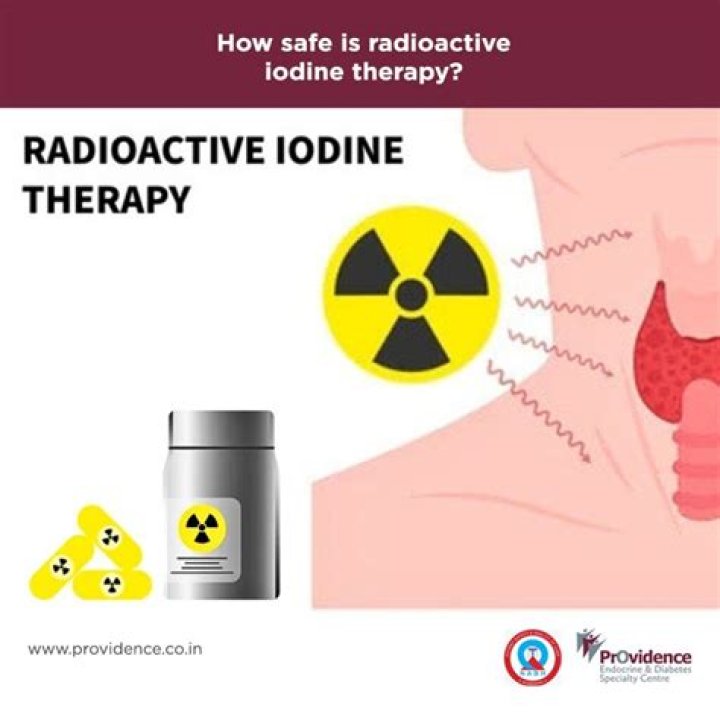
- Thyroid problems.
- Uterine fibroids.
- Uterine polyps.
- Certain medicines.
- Pregnancy problems.
- Bleeding disorders.
Consequently, what is girl's monthly problem?
Another common menstrual problem is a heavy period. Also called menorrhagia, heavy periods cause you to bleed more than normal. You may also have your period for longer than the average of five to seven days. Menorrhagia is mostly caused by imbalances in hormone levels, especially progesterone and estrogen.
Furthermore, what to do if periods are not coming? 8 Science-Backed Home Remedies for Irregular Periods
- Practice yoga. Share on Pinterest.
- Maintain a healthy weight. Changes in your weight can affect your periods.
- Exercise regularly.
- Spice things up with ginger.
- Add some cinnamon.
- Get your daily dose of vitamins.
- Drink apple cider vinegar daily.
- Eat pineapple.
One may also ask, what are the most common female menstrual disorders?
The Most Common Menstrual Disorders
- Premenstrual Syndrome (PMS)
- Painful periods – Dysmenorrhea.
- Abnormal uterine bleeding.
- Absence of menstrual bleeding – Amenorrhea.
- Light or irregular menstruation – Oligomenorrhea.
- Heavy or prolonged menstrual bleeding – Menorrhagia.
- Premenstrual dysphoric disorder (PMDD)
How does a girl behave during her periods?
PMS (premenstrual syndrome) is when a girl has emotional and physical symptoms that happen before or during her period. These symptoms can include moodiness, sadness, anxiety, bloating, and acne. The symptoms go away after the first few days of a period.
Related Question Answers
What is period time of girl?
The menses phase: This phase, which typically lasts from day one to day five, is the time when the lining of the uterus is actually shed out through the vagina if pregnancy has not occurred. Most women bleed for three to five days, but a period lasting only two days to as many as seven days is still considered normal.Do boys have periods?
Guys don't have periods because they don't have a uterus, but their bodies develop and change too – the changes are just different. For example: their voice changes and they develop hair on their face and other parts of their bodies. So, although guys don't get periods, their bodies do go through changes too.What is the best medicine to get periods?
Medroxyprogesterone is also used to bring on a normal menstrual cycle in women who menstruated normally in the past but have not menstruated for at least 6 months and who are not pregnant or undergoing menopause (change of life).What should eat for regular periods?
7 foods to eat if you have irregular periods- Ginger. Ginger is very beneficial for your health.
- Unripe papaya. You can regulate your periods by adding unripe papaya to your diet!
- Cinnamon. Love the taste of cinnamon?
- Aloe vera.
- Turmeric.
- Pineapple.
- Parsley.
What is the period Disease?
Dysmenorrhea is characterized by severe and frequent menstrual cramps and pain associated with menstruation. The cause of dysmenorrhea is dependent on if the condition is primary or secondary. With primary dysmenorrheal, women experience abnormal uterine contractions resulting from a chemical imbalance in the body.What are bad periods called?
Dysmenorrhea is the medical term for painful menstrual periods which are caused by uterine contractions.What causes poor menstrual flow?
Body weight, exercise, and stress can all cause light periods and knowing why can be helpful. Lighter periods than normal do not usually cause concern. People often find their menstrual flow varies from month-to-month, and some months are naturally lighter than others.What medical conditions affect period?
There are many causes of abnormal periods, ranging from stress to more serious underlying medical conditions:- Stress and lifestyle factors.
- Birth control pills.
- Uterine polyps or fibroids.
- Endometriosis.
- Pelvic inflammatory disease.
- Polycystic ovary syndrome.
- Premature ovarian insufficiency.
What infections can stop menstruation?
You contracted pelvic inflammatory disease (PID). As the infection spreads to the cells of the uterus, it can lead to problems with menstruation. The Office on Women's Health lists irregular menstrual cycles (like late periods) as one of the symptoms of PID.What type of doctor should I see for Period Problems?
A gynecologist will be able to determine the cause of your irregular periods and help you develop the best treatment plan for you.What are signs of menstruation?
Here are the 10 most common signs that let you know your period is about to start.- Abdominal cramps. Abdominal, or menstrual, cramps are also called primary dysmenorrhea.
- Breakouts.
- Tender breasts.
- Fatigue.
- Bloating.
- Bowel issues.
- Headache.
- Mood swings.